Metal Roofing in Colorado
Standing seam, stone-coated steel, and Class 4 impact-resistant metal systems.
- BBB A+
- 291 Google Reviews · 4.9★
- Avalanche & Nuggets Partner
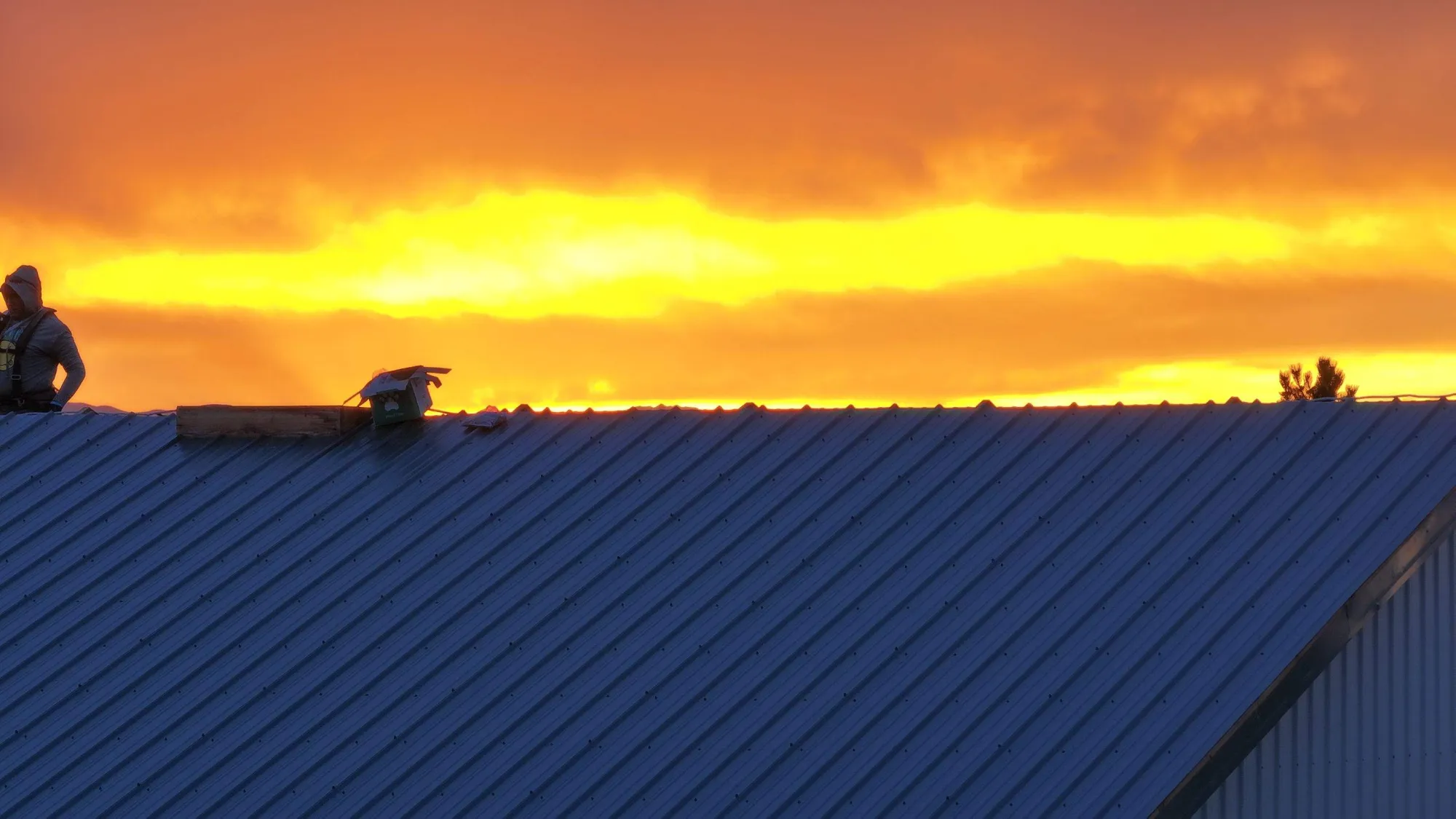
Metal roofs last 40–70 years, shed snow cleanly, and handle Colorado wind and hail well. Red Hawk installs standing-seam metal with factory-matched trim, gutters, and flashing. Metal is 2–3x the cost of asphalt but eliminates roof replacement for decades.
About Metal Roofing
Metal roofs last 40–70 years and qualify for hail-resistance insurance discounts in Colorado. We install standing seam, stone-coated steel, and exposed-fastener systems.
Why Red Hawk?
- Class 4 impact-resistant
- 40–70 year lifespan
- Insurance discount eligible
- Energy-efficient
Related Services
Metal Roofing — FAQ
Metal roofing costs meaningfully more than asphalt — standing seam is the premium option, with stone-coated steel and exposed-fastener panels below it. Red Hawk provides side-by-side written estimates so the difference is explicit for your roof rather than a general figure. The higher upfront cost is offset by 40–70 year lifespan, insurance discounts, and energy savings. Red Hawk provides side-by-side estimates so the math is clear.
Properly installed metal roofs last 40–70 years in Colorado, with standing-seam systems at the long end (50–70 years) and exposed-fastener panels at the short end (40–50 years). Stone-coated steel falls between (50–60 years). Lifespan factors include coating quality (Kynar 500 / PVDF coatings outlast standard polyester by 20+ years), substrate gauge (24-gauge outlasts 26-gauge), and fastener spacing. Compared to 20–25 years for asphalt shingles, metal is the longest-lasting roofing material available short of slate or clay tile.
Standing-seam metal in 24-gauge or thicker handles Front Range hail without functional damage on impacts up to 2 inches. Cosmetic dents are possible from large hail (1.5 inches+), but functional integrity stays intact — water-shedding and structure remain unaffected. Class 4 stone-coated steel achieves UL 2218 Class 4 rating equivalent to impact-resistant shingles. Many Colorado insurers now apply cosmetic damage exclusions to metal roofs, so check your policy. Red Hawk recommends 24-gauge standing seam as the highest hail-survival roofing for hail country.
Yes — most Colorado insurers offer 5–35% discounts on the wind/hail portion of homeowners premiums for UL 2218 Class 4-rated metal roofs (typically stone-coated steel and certain standing seam systems). State Farm, USAA, Allstate, and American Family all offer this discount in Colorado. Standard standing-seam without Class 4 certification still typically earns a 5–15% discount due to longevity and wind resistance. Red Hawk provides the manufacturer's UL 2218 certificate at install completion to apply for the discount immediately.
Standing-seam metal has hidden fasteners under raised vertical seams, with the fasteners attached to clips that allow thermal expansion. It's the premium architectural choice — no exposed fasteners to rust, smoothest aesthetic, longest lifespan (50–70 years). Exposed-fastener panels (R-panel, 5V crimp) have screws driven through the panel face, with rubber gaskets that need replacement every 15–20 years. Exposed-fastener panels cost 30–40% less but require more maintenance. Red Hawk installs both; standing seam is recommended for residential, exposed-fastener for outbuildings and budget projects.
Yes — metal roofs shed snow much more aggressively than asphalt, which is generally good for structural snow load but requires planning for ground impact. Snow-shed zones below the eave should be kept clear of HVAC units, walkways, and parked cars. Snow guards (small clips or rails near the eave) can be installed to break up the slide and let snow melt off gradually. Red Hawk includes snow-guard recommendations in every Front Range metal estimate, particularly on north-facing slopes and roofs over entryways.
Yes — light-colored metal roofs reflect 60–90% of solar radiation versus 20–30% for dark asphalt shingles, reducing summer attic temperatures by 20–40°F and cooling costs by 10–25% in Colorado homes. Energy Star-rated metal roofs qualify for federal tax credits and Xcel Energy rebates in some service areas. Even dark-color metal outperforms asphalt on energy because the surface emissivity (heat re-radiation) is higher. Red Hawk's metal estimates note Energy Star eligibility per color choice.
No — modern residential metal roofs installed over solid decking with synthetic underlayment are essentially indistinguishable from asphalt in terms of interior noise. The barn-rain stereotype comes from metal panels installed over open purlins (in agricultural buildings), where there's no insulation between metal and interior. Red Hawk's residential metal installs include synthetic underlayment and existing attic insulation, which combined absorb rain and hail noise. Hailstorms produce slightly more sound on metal than asphalt, but only marginally.
Standing-seam and stone-coated metal come in 30+ standard colors plus custom matches. Premium finishes use Kynar 500 / PVDF coatings (lifetime fade warranty) over galvanized or galvalume steel. Popular Colorado choices: matte charcoal, weathered copper, slate gray, forest green, and rust patina. Stone-coated steel mimics shingle, tile, or shake aesthetics for HOA-restricted areas. Red Hawk provides physical color samples on-site during the estimate, plus drone photos of installed metal roofs in your color choice from past projects.
Most Colorado HOAs now allow metal roofing, especially stone-coated steel that mimics traditional shingle or shake aesthetics. Standing-seam metal acceptance varies — historic-style HOAs (Park Hill, Highlands, older Boulder neighborhoods) sometimes restrict to architectural shingle only. Red Hawk provides HOA submission packets including manufacturer spec sheets, color samples, and installed-roof photos that satisfy nearly every Front Range HOA review board. Approval typically takes 14–30 days. Submit before scheduling install; some HOAs require Class 4 certification as a condition of metal approval.