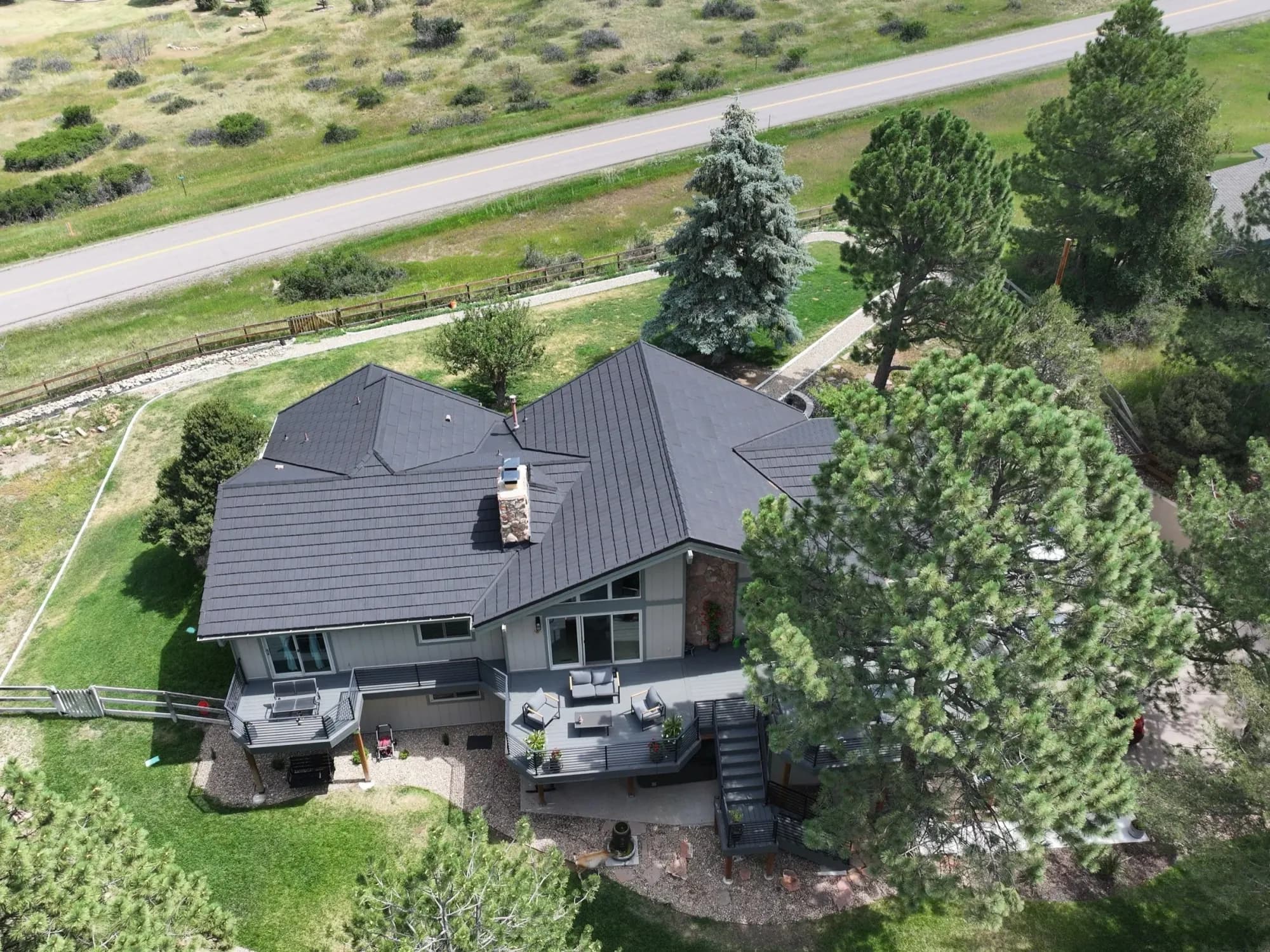
Metal roofs last 40–70 years, shed snow cleanly, and handle Colorado wind and hail well. Red Hawk installs standing-seam metal with factory-matched trim, gutters, and flashing. Metal is 2–3x the cost of asphalt but eliminates roof replacement for decades.
About Metal Roofing in Longmont
Metal roofs last 40–70 years and qualify for hail-resistance insurance discounts in Colorado. We install standing seam, stone-coated steel, and exposed-fastener systems.
Metal Roofing in Longmont, Colorado often involves upgrading from asphalt to standing-seam metal that handles Front Range wind and hail at a level no shingle product matches. Red Hawk Roofing has documented 5 hail events in Longmont since 2021 — the largest being 2.00-inch hail on May 9, 2023 — which is the size where standing-seam metal pays for itself versus repeated asphalt replacements over a 40–70-year roof life.
Our nearest office to Longmont is in Fort Collins at 217 Racquette Dr STE 4. We dispatch Fort Collins-based crews from there for Longmont projects — same crew, same warranty.
Longmont's housing stock blends 1980s-1990s subdivisions with newer infill — most original roofs are at the 25-30 year replacement cliff right now. We work directly with every major Colorado carrier — including State Farm, USAA, Allstate, Farmers, American Family, and Liberty Mutual — and handle the adjuster process end to end on Longmont claims. City of Longmont permits residential roof replacements; we file the application and coordinate the dry-in inspection.
For metal roofing in Longmont, expect: free roof inspection, adjuster-grade photo documentation, written scope of work, insurance liaison if applicable, and standing-seam panel install with factory-matched trim, snow guards, hidden-fastener system, and full warranty registration with the panel manufacturer. Most metal roofing projects in Longmont complete within 5–10 days depending on roof size and complexity.
Class 4 impact-resistant40–70 year lifespanInsurance discount eligibleEnergy-efficient
Common Questions: Metal Roofing in Longmont
Metal roofing costs meaningfully more than asphalt — standing seam is the premium option, with stone-coated steel and exposed-fastener panels below it. Red Hawk provides side-by-side written estimates so the difference is explicit for your roof rather than a general figure. The higher upfront cost is offset by 40–70 year lifespan, insurance discounts, and energy savings. Red Hawk provides side-by-side estimates so the math is clear.
Properly installed metal roofs last 40–70 years in Colorado, with standing-seam systems at the long end (50–70 years) and exposed-fastener panels at the short end (40–50 years). Stone-coated steel falls between (50–60 years). Lifespan factors include coating quality (Kynar 500 / PVDF coatings outlast standard polyester by 20+ years), substrate gauge (24-gauge outlasts 26-gauge), and fastener spacing. Compared to 20–25 years for asphalt shingles, metal is the longest-lasting roofing material available short of slate or clay tile.
Standing-seam metal in 24-gauge or thicker handles Front Range hail without functional damage on impacts up to 2 inches. Cosmetic dents are possible from large hail (1.5 inches+), but functional integrity stays intact — water-shedding and structure remain unaffected. Class 4 stone-coated steel achieves UL 2218 Class 4 rating equivalent to impact-resistant shingles. Many Colorado insurers now apply cosmetic damage exclusions to metal roofs, so check your policy. Red Hawk recommends 24-gauge standing seam as the highest hail-survival roofing for hail country.
The City of Longmont issues building permits for tear-offs and replacements through the Building Inspection division at 350 Kimbark St. Boulder County only permits unincorporated areas around Longmont. Longmont permit fees run $90–$240 with stricter ice-and-water shield requirements at the higher elevation than southern metro jurisdictions. Red Hawk pulls all permits and handles the post-install inspection. Code requires synthetic underlayment, 24-inch ice dam protection, and proper drip edge.
Yes — Longmont's ground record shows 5 documented hail days within 10 miles of the city between 2021 and 2026, all confirmed by NWS storm spotters, the largest a 2.0-inch measurement on May 9, 2023 (15 ground reports). Sitting at the northern edge of Boulder County, Longmont catches both eastern-plains supercells and storms rolling off the foothills. Roofs older than 12 years almost certainly carry cumulative impact damage. Red Hawk pulls NOAA records for every estimate.
Longmont asphalt roof replacements typically run $15,000 to $25,000, with most Prospect, Renaissance, and Quail Ridge homes landing between $13,000 and $18,000 for Class 4 installs. Old Town Longmont's older homes with steep pitches run higher. Red Hawk provides free written estimates with photo documentation. Insurance-funded replacements after hail typically cost only the deductible.
Recent Metal Roofing Near Longmont
Real metal roofing jobs from across the Front Range — material variety, install detail, and finished results.
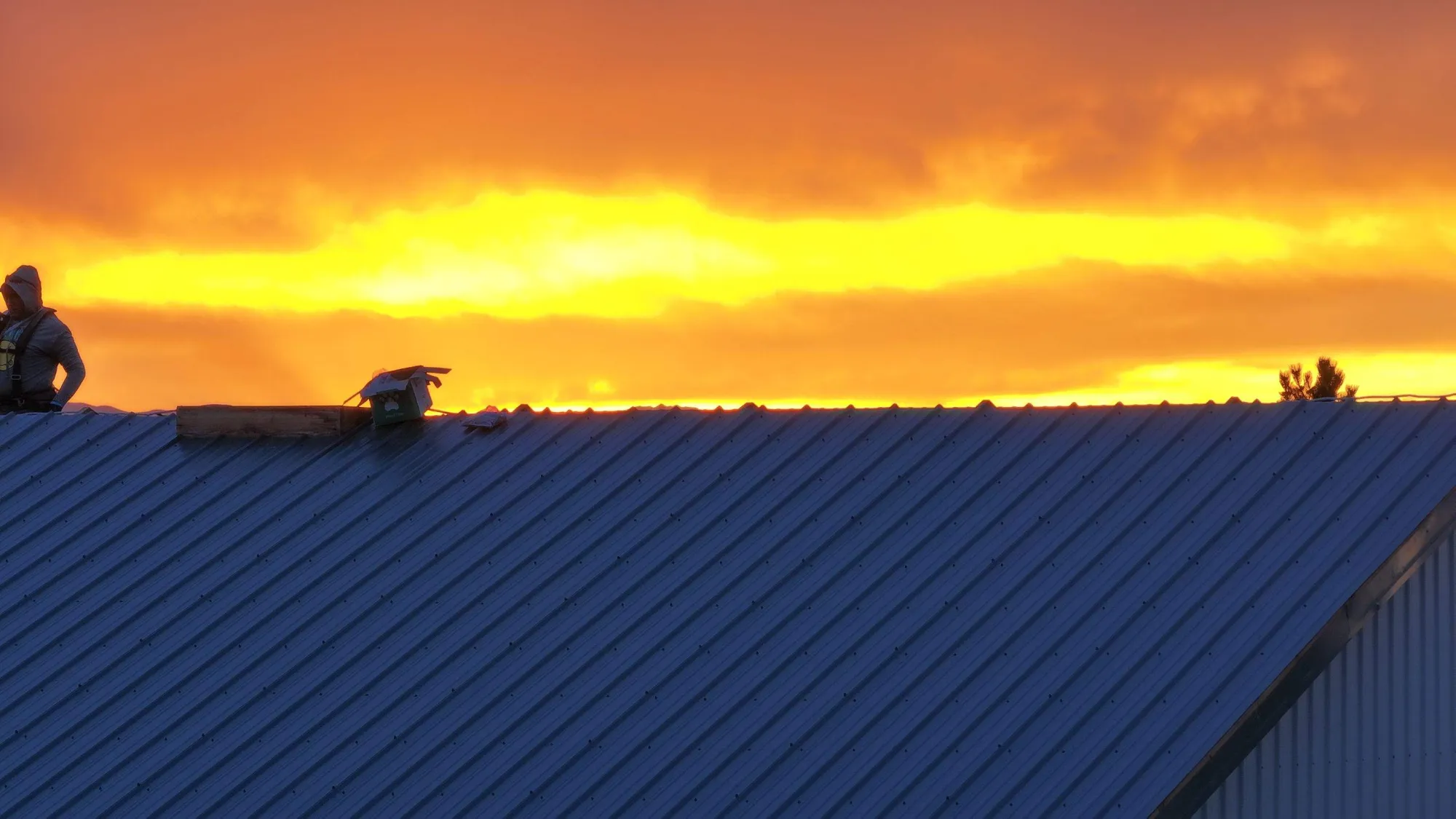
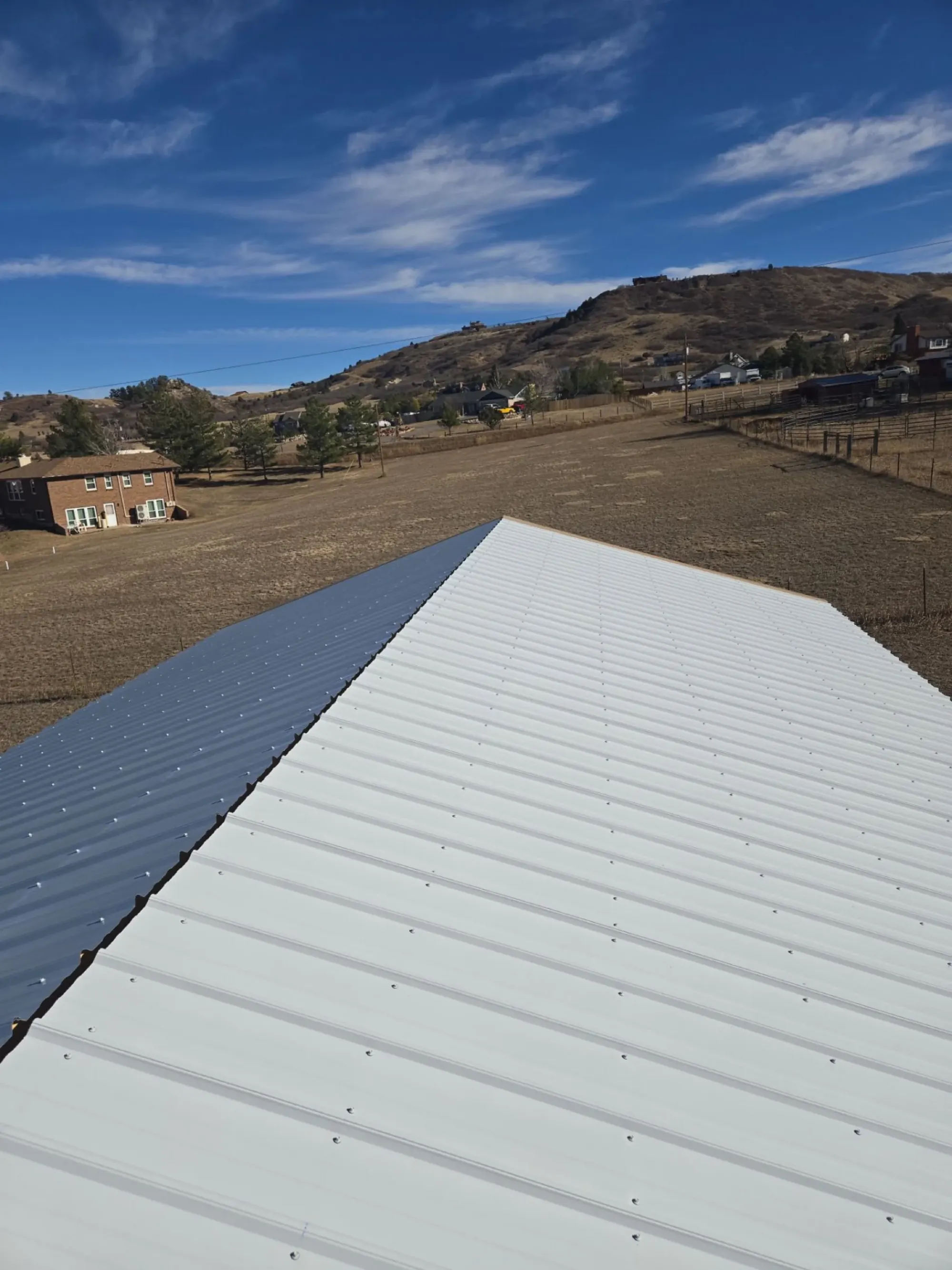
Foothills Metal Panel
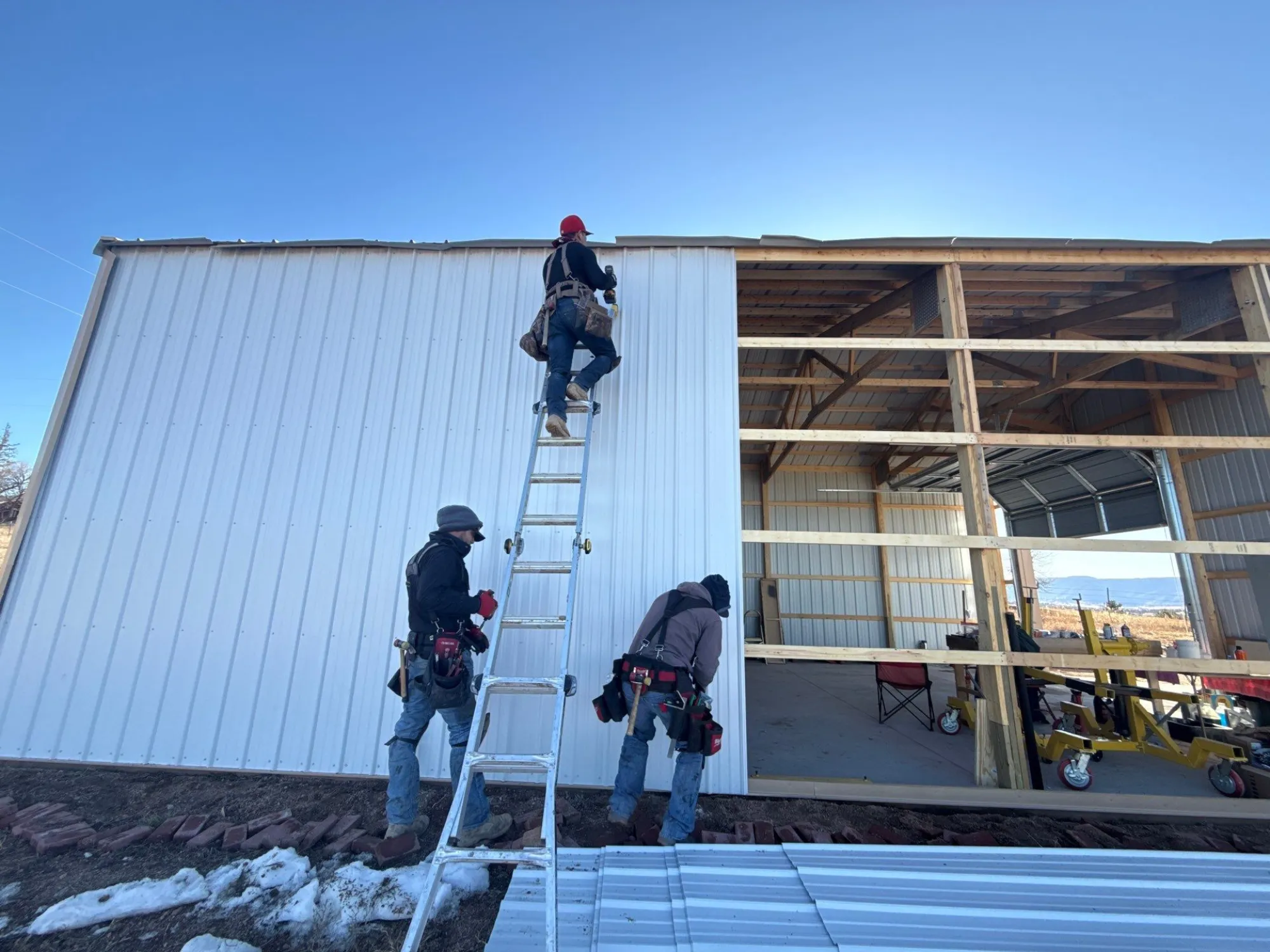
Foothills Pole Barn Crew
Foothills Custom Home
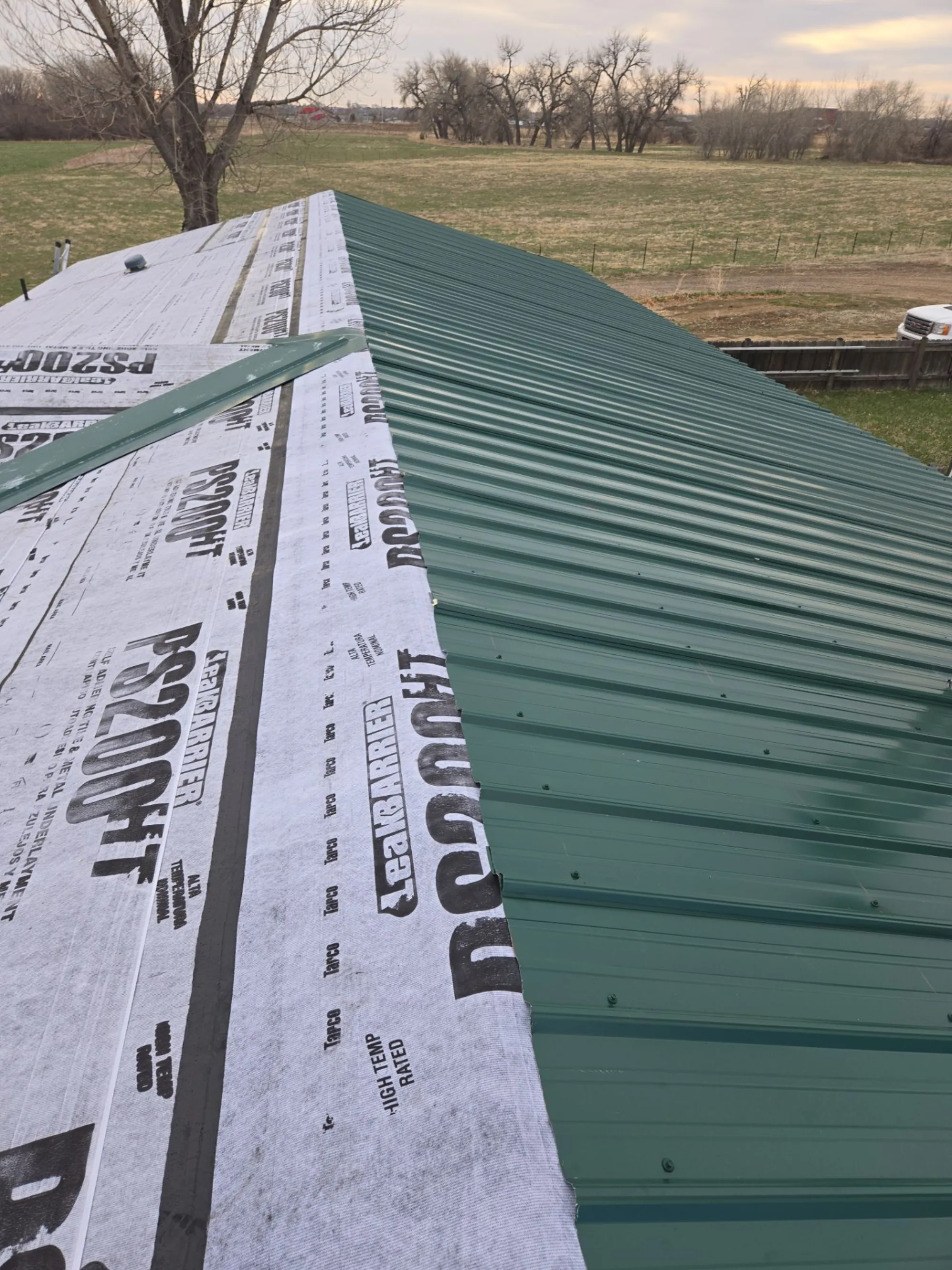
Longmont Forest Green Metal Install
Project photography from Red Hawk Roofing's own portfolio. All installations performed by licensed, insured Red Hawk crews.
Hail History in Longmont
Longmont has 5 documented hail days within 10 miles of city center between 2021 and 2026 — 5 confirmed by NWS storm-spotter reports on the ground, the largest 2.0-inch hail measured on May 9, 2023 (15 reports), where NOAA radar indicated 3.75 inches — 1.75 inches above the measured size. Radar figures are NOAA SWDI estimates (MEHS), not measurements; ground figures are NWS Local Storm Reports.
Jun 24
2026
1.75"
Measured
3 reports
radar 1.00" (-0.75")
LSR+SWDI
Jul 20
2024
1.25"
Measured
4 reports
radar 2.25" (+1.00")
LSR+SWDI
May 30
2024
1.50"
Measured
5 reports
radar 2.00" (+0.50")
LSR+SWDI
May 9
2023
2.00"
Measured
15 reports
radar 3.75" (+1.75")
LSR+SWDI
Oct 1
2022
1.50"
Measured
4 reports
radar 2.00" (+0.50")
LSR+SWDI
Measured figures are NWS Local Storm Reports — human-observed, ground-confirmed hail. Radar-indicated figures are NOAA SWDI estimates (MEHS, a radar algorithm calibrated to a high-end bound) — not measurements, and they can run high versus paired ground reports. Events within ~10 miles of Longmont center, 2021–present, ≥1.0 inch.