Metal roofs last 40–70 years, shed snow cleanly, and handle Colorado wind and hail well. Red Hawk installs standing-seam metal with factory-matched trim, gutters, and flashing. Metal is 2–3x the cost of asphalt but eliminates roof replacement for decades.
About Metal Roofing in Boulder
Metal roofs last 40–70 years and qualify for hail-resistance insurance discounts in Colorado. We install standing seam, stone-coated steel, and exposed-fastener systems.
Metal Roofing in Boulder, Colorado often involves upgrading from asphalt to standing-seam metal that handles Front Range wind and hail at a level no shingle product matches. Red Hawk Roofing has documented 5 hail events in Boulder since 2021 — the largest being 1.00-inch hail on July 11, 2025 — which is the size where standing-seam metal pays for itself versus repeated asphalt replacements over a 40–70-year roof life.
Our nearest office to Boulder is in Englewood at 3535 S Platte River Dr # A. We dispatch Englewood-based crews from there for Boulder projects — same crew, same warranty.
Boulder's housing stock is a mix of mid-century ranches and 2000s-2010s infill, with a meaningful slice of historic and high-performance builds that need careful flashing detail. We work directly with every major Colorado carrier — including State Farm, USAA, Allstate, Farmers, American Family, and Liberty Mutual — and handle the adjuster process end to end on Boulder claims. Boulder County's energy-code overlay requires R-value documentation on any deck-level work; we handle the permit, the energy paperwork, and the inspection coordination.
For metal roofing in Boulder, expect: free roof inspection, adjuster-grade photo documentation, written scope of work, insurance liaison if applicable, and standing-seam panel install with factory-matched trim, snow guards, hidden-fastener system, and full warranty registration with the panel manufacturer. Most metal roofing projects in Boulder complete within 5–10 days depending on roof size and complexity.
Class 4 impact-resistant40–70 year lifespanInsurance discount eligibleEnergy-efficient
Common Questions: Metal Roofing in Boulder
Metal roofing costs meaningfully more than asphalt — standing seam is the premium option, with stone-coated steel and exposed-fastener panels below it. Red Hawk provides side-by-side written estimates so the difference is explicit for your roof rather than a general figure. The higher upfront cost is offset by 40–70 year lifespan, insurance discounts, and energy savings. Red Hawk provides side-by-side estimates so the math is clear.
Properly installed metal roofs last 40–70 years in Colorado, with standing-seam systems at the long end (50–70 years) and exposed-fastener panels at the short end (40–50 years). Stone-coated steel falls between (50–60 years). Lifespan factors include coating quality (Kynar 500 / PVDF coatings outlast standard polyester by 20+ years), substrate gauge (24-gauge outlasts 26-gauge), and fastener spacing. Compared to 20–25 years for asphalt shingles, metal is the longest-lasting roofing material available short of slate or clay tile.
Standing-seam metal in 24-gauge or thicker handles Front Range hail without functional damage on impacts up to 2 inches. Cosmetic dents are possible from large hail (1.5 inches+), but functional integrity stays intact — water-shedding and structure remain unaffected. Class 4 stone-coated steel achieves UL 2218 Class 4 rating equivalent to impact-resistant shingles. Many Colorado insurers now apply cosmetic damage exclusions to metal roofs, so check your policy. Red Hawk recommends 24-gauge standing seam as the highest hail-survival roofing for hail country.
Boulder roofs frequently cost 10–25% more than comparable Denver-metro homes due to steeper average pitches in foothills neighborhoods, complex architecture in Mapleton Hill and Newlands, stricter green building code requirements, longer permit review cycles, and higher city wage rates. Average Boulder asphalt replacements run $12,000–$30,000, with custom Chautauqua and University Hill homes reaching $40,000+. Red Hawk provides free line-item estimates that separate base roof, code upgrades, and architectural premiums.
Boulder enforces SmartRegs and the Boulder Energy Conservation Code, which often requires above-baseline R-value attic insulation when a roof is opened, cool-roof reflective shingles for low-slope sections, and ENERGY STAR-rated underlayment in some cases. Reroof permits trigger inspection of attic ventilation balance (intake to exhaust ratio of 50/50). Red Hawk handles all code documentation and submits energy compliance paperwork as part of the permit. Plan for $400–$1,200 in code-driven adders on most Boulder reroofs.
Yes — though generally smaller than eastern-plains hail, Boulder has a documented record of 5 hail days within 10 miles of the city between 2021 and 2026, all confirmed by NWS storm spotters. Ground-measured stones here have run to 1.0 inch (July 11, 2025), smaller than Greeley-area hail but still capable of damaging aging shingles, and NOAA radar has indicated larger signatures aloft on those days. Storms that build over the foothills tend to weaken as they reach the higher, closer-in neighborhoods like Chautauqua and Mapleton Hill. Red Hawk pulls NOAA storm records for every estimate.
Recent Metal Roofing Near Boulder
Real metal roofing jobs from across the Front Range — material variety, install detail, and finished results.
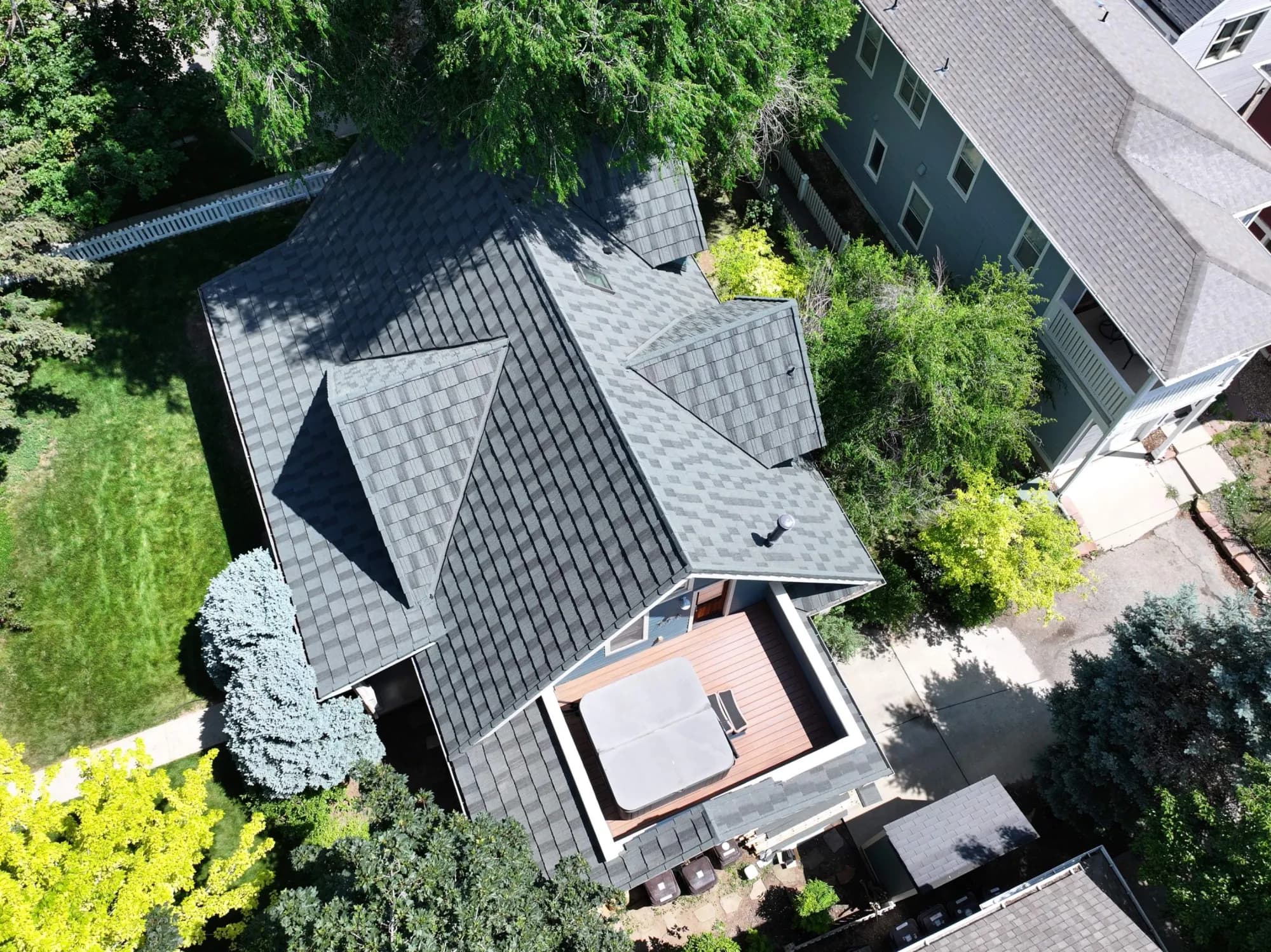
Boulder Custom Multi-Gable
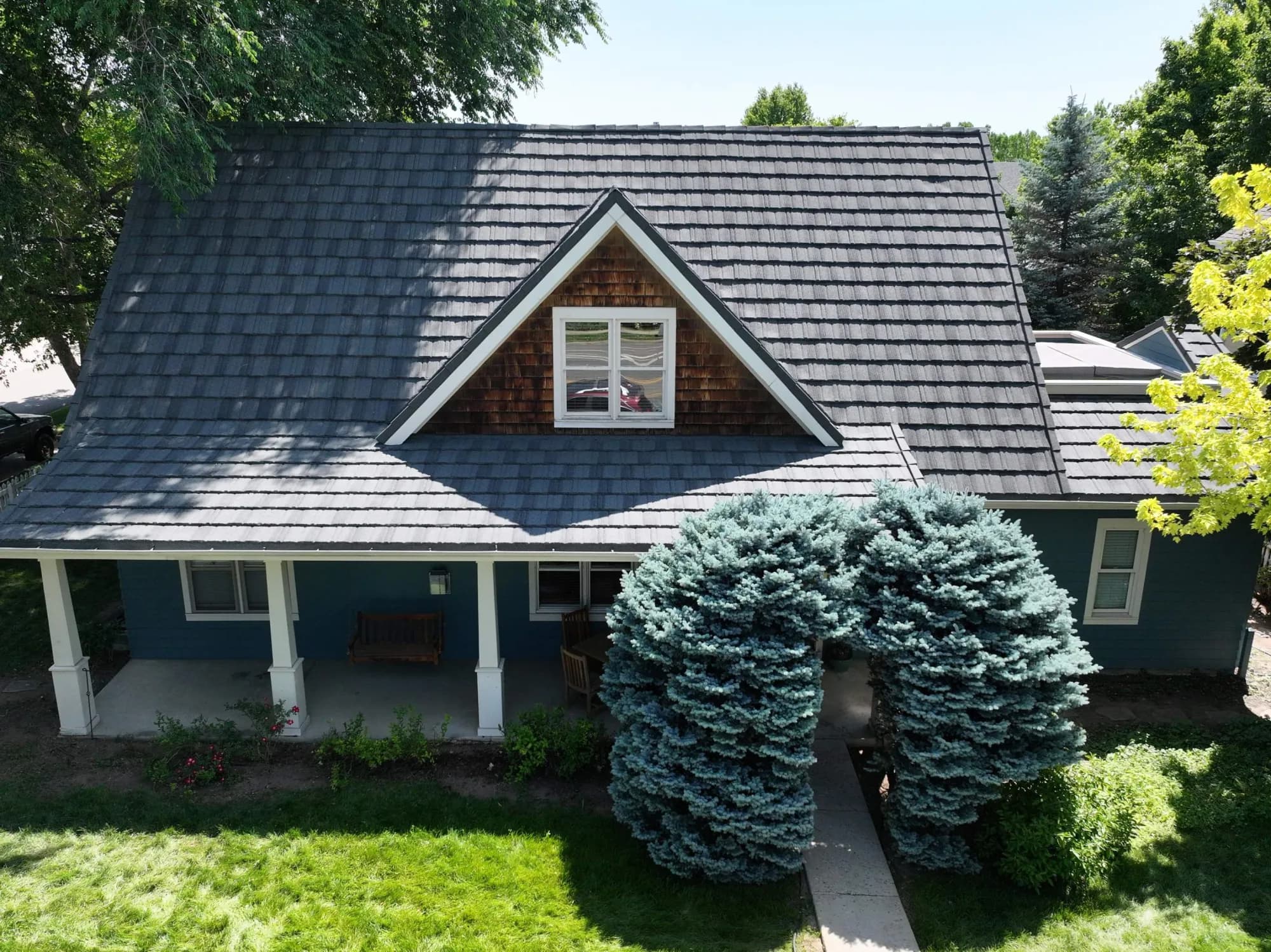
Boulder Craftsman Stone-Coated Steel
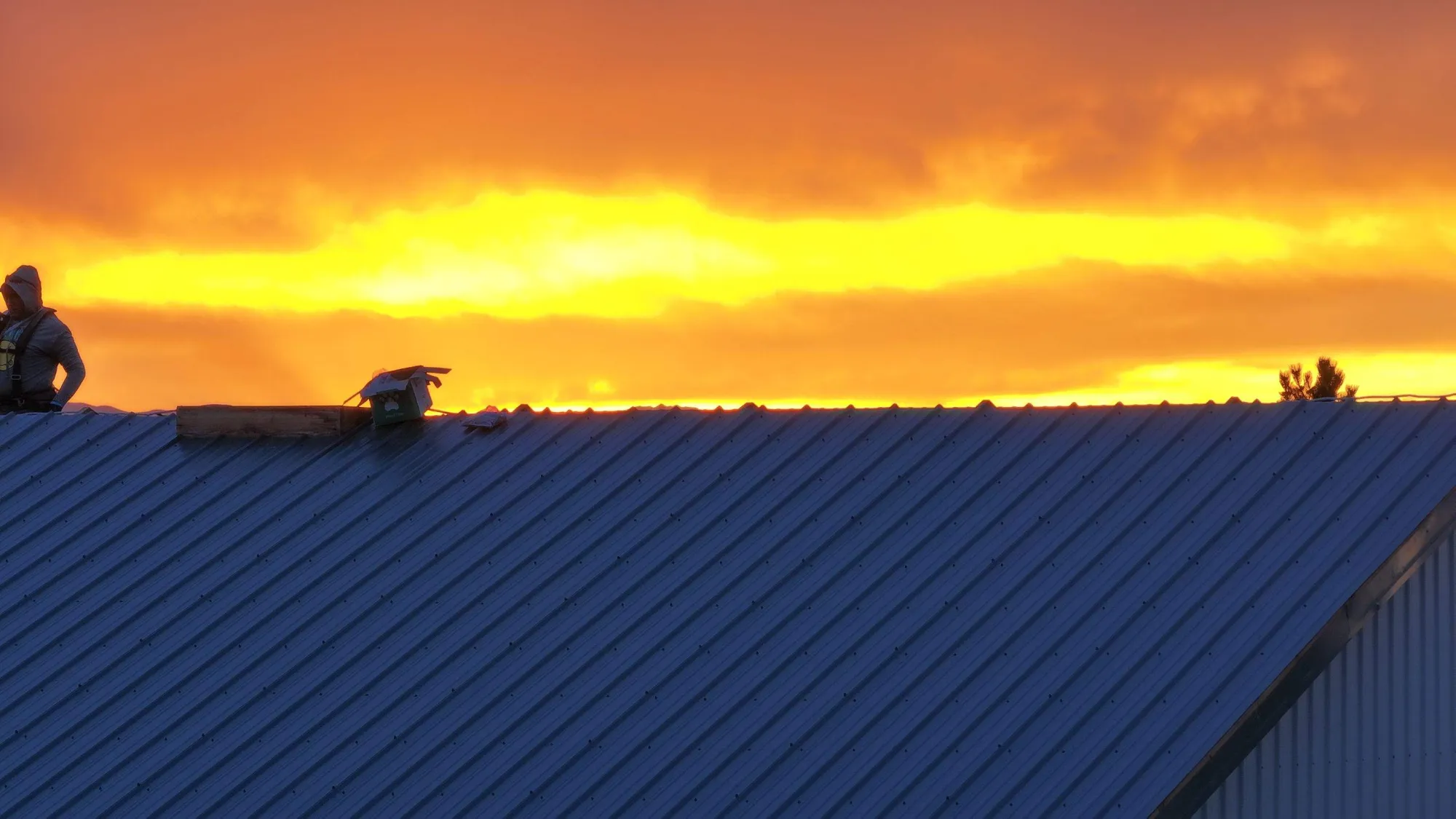
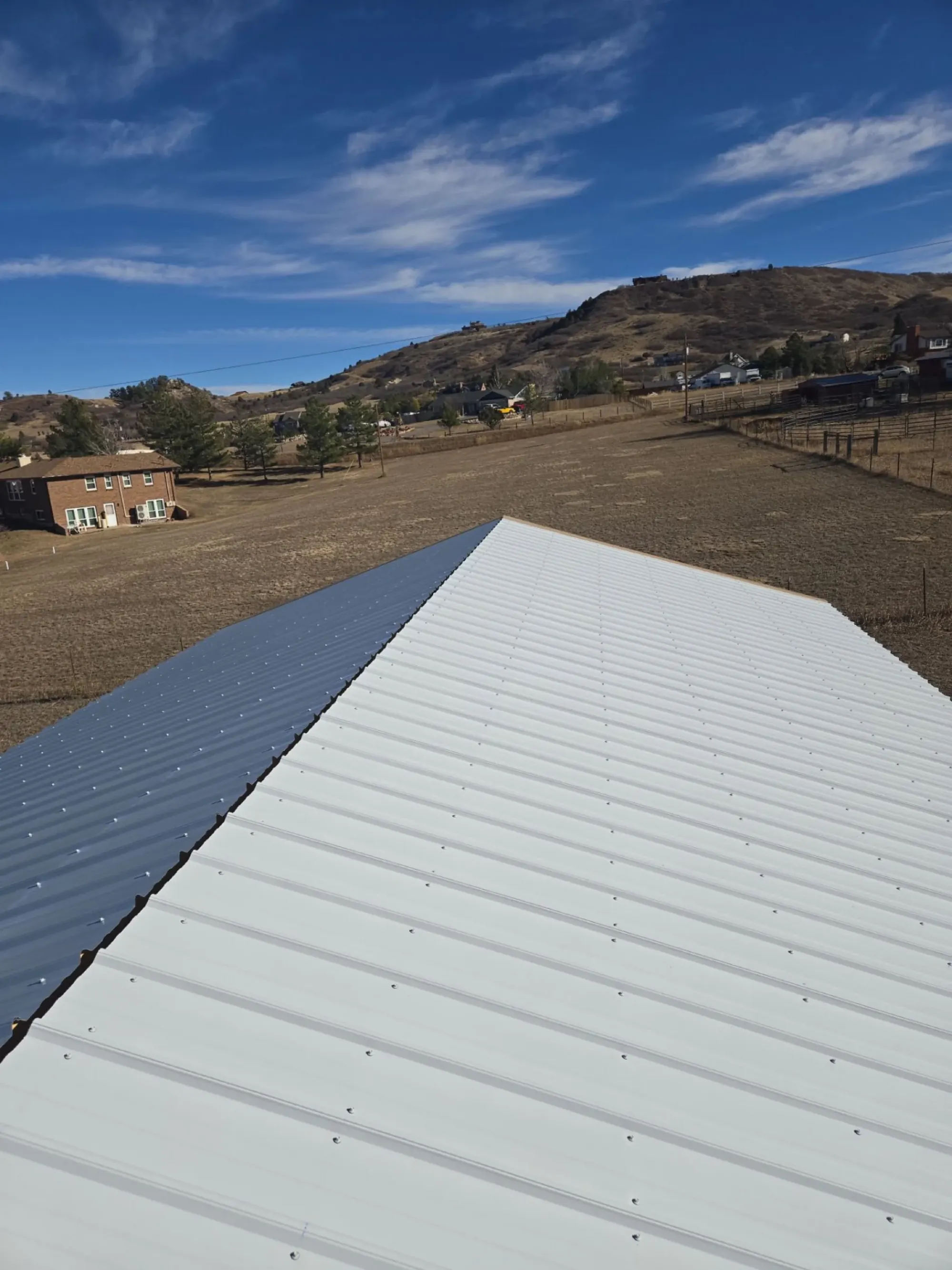
Foothills Metal Panel
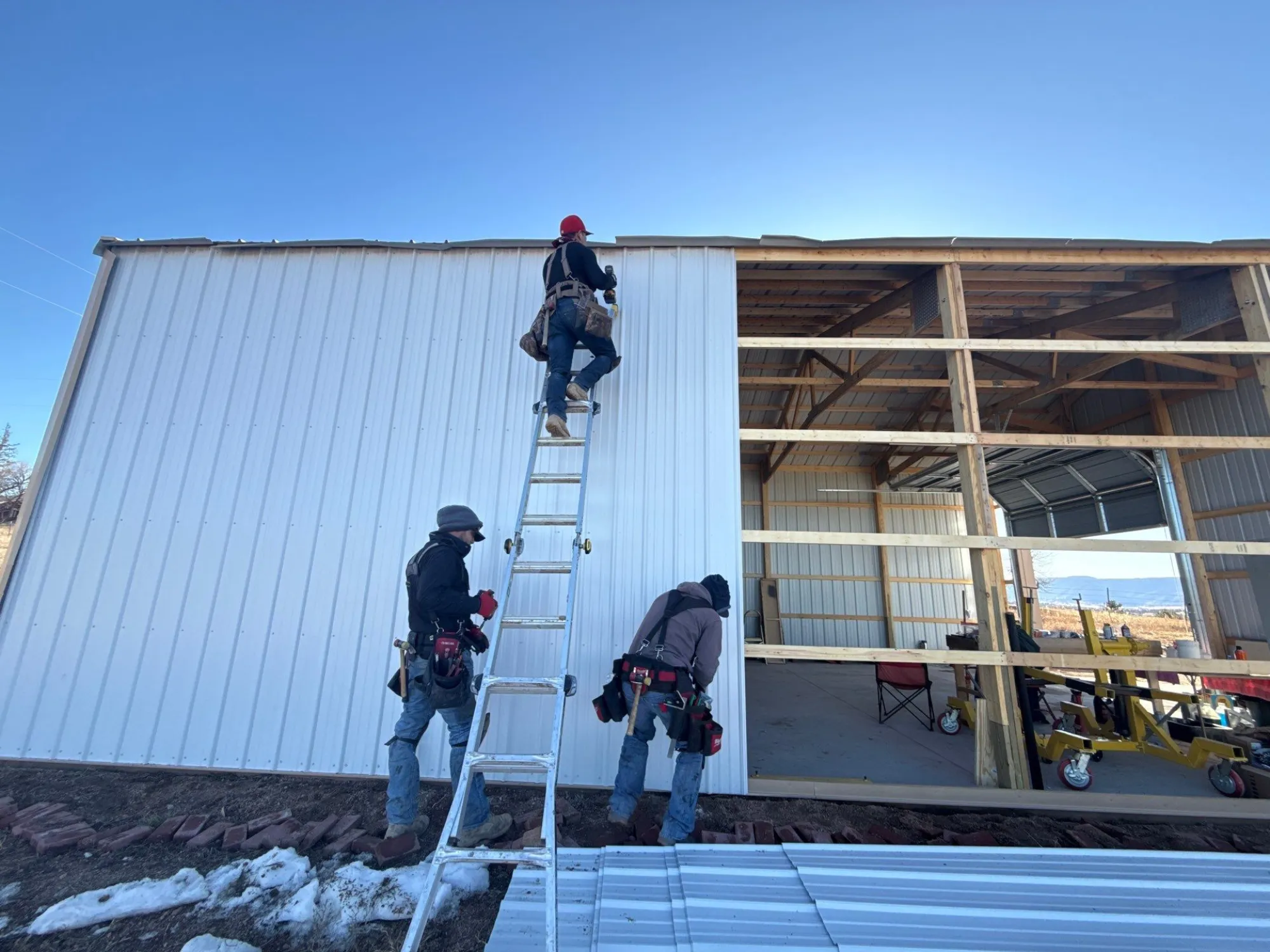
Foothills Pole Barn Crew
Project photography from Red Hawk Roofing's own portfolio. All installations performed by licensed, insured Red Hawk crews.
Hail History in Boulder
Boulder has 5 documented hail days within 10 miles of city center between 2021 and 2026 — 5 confirmed by NWS storm-spotter reports on the ground, the largest 1.0-inch hail measured on July 11, 2025 (1 report), where NOAA radar indicated 2.5 inches — 1.5 inches above the measured size. Radar figures are NOAA SWDI estimates (MEHS), not measurements; ground figures are NWS Local Storm Reports.
Jul 11
2025
1.00"
Measured
1 report
radar 2.50" (+1.50")
LSR+SWDI
Jun 17
2025
1.00"
Measured
1 report
radar 2.25" (+1.25")
LSR+SWDI
May 30
2024
1.00"
Measured
2 reports
radar 2.00" (+1.00")
LSR+SWDI
May 9
2023
1.00"
Measured
1 report
radar 2.25" (+1.25")
LSR+SWDI
Jul 27
2022
1.00"
Measured
1 report
radar 2.50" (+1.50")
LSR+SWDI
Measured figures are NWS Local Storm Reports — human-observed, ground-confirmed hail. Radar-indicated figures are NOAA SWDI estimates (MEHS, a radar algorithm calibrated to a high-end bound) — not measurements, and they can run high versus paired ground reports. Events within ~10 miles of Boulder center, 2021–present, ≥1.0 inch.